About
Dr Hugh Leslie
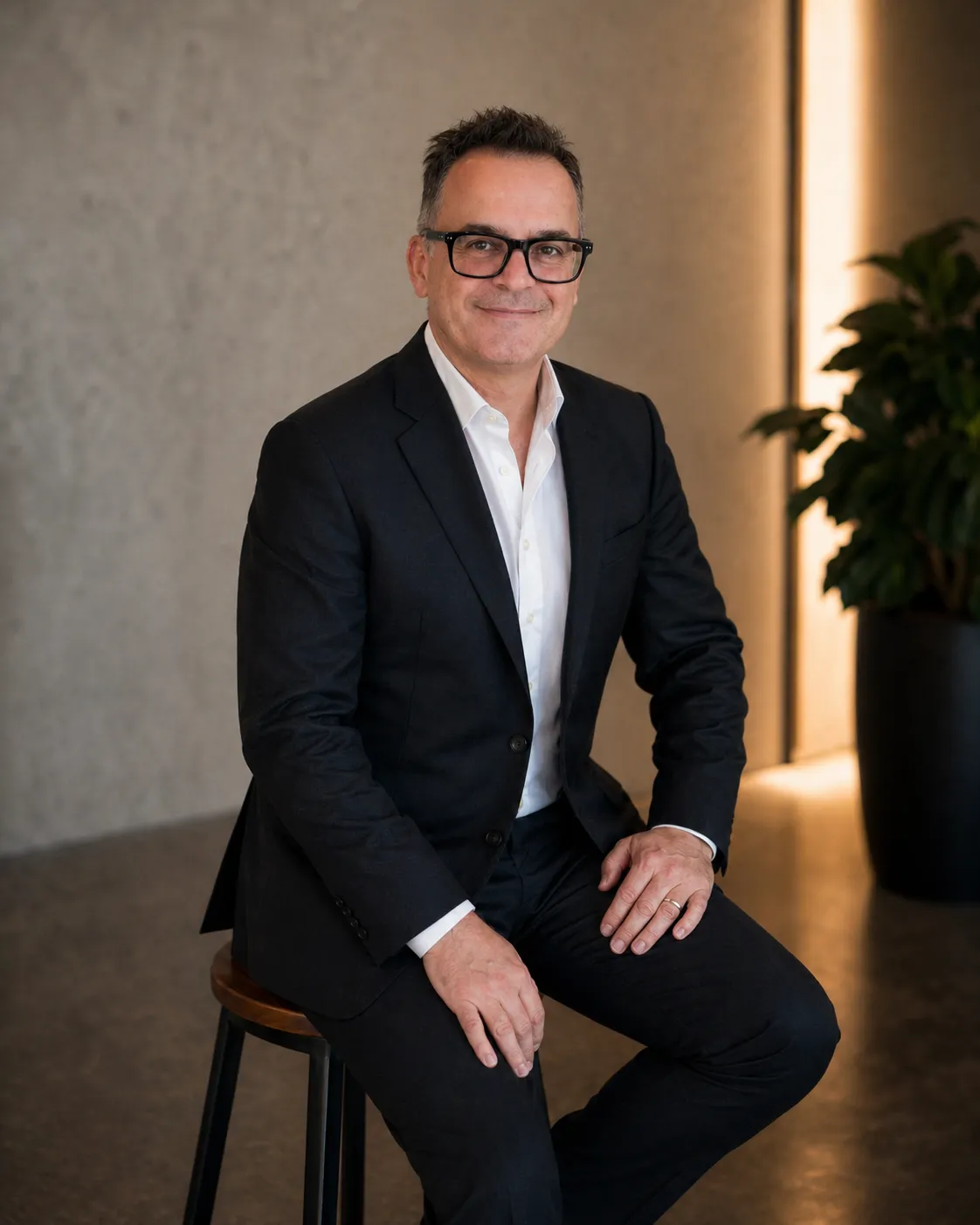
Most medicine waits for something to go wrong. My interest is in the years before that — the decisions, habits and investigations that determine whether someone reaches their seventies and eighties with full function, or merely alive. I trained as a GP before developing a specialist focus in healthspan optimisation, drawn by a simple observation: the gap between what the evidence shows is possible and what most people are told — is enormous.
I studied medicine at the University of Melbourne and went on to train as a general practitioner, completing Fellowship of the Royal Australian College of General Practitioners (FRACGP). General practice gave me a broad clinical foundation and, more importantly, an appreciation of how rarely the healthcare system creates space for the kind of proactive, longitudinal thinking that genuinely changes long-term outcomes.
My focus on longevity medicine developed from that clinical experience. I am a member of the Healthy Longevity Medicine Society, an international organisation advancing the evidence base and clinical standards in this field. I am also a Fellow of the Australian Institute of Digital Health — a credential that reflects my interest in how data, measurement and technology can be used rigorously in clinical practice, rather than as ends in themselves.
Philosophy
Most people want the same thing: more years of genuine vitality, not just a longer lifespan. Getting there requires honesty about what the evidence actually shows.
Longevity medicine sits at the intersection of multiple disciplines: exercise physiology, nutritional science, metabolic medicine, sleep science, preventive cardiology, and brain health among others. The evidence base is uneven — robust in some areas, nascent in others, and often distorted by commercial interests.
I engage rigorously with the primary literature, apply clinical judgement, and help patients make decisions proportionate to the actual quality of the evidence. This means recommending interventions with strong evidence bases — and being honest about uncertainty where it exists. It means prioritising the fundamentals before considering more complex interventions. And it means treating each patient as an individual, with their own goals, constraints, and risk profile.
Special Interests
- Cardiorespiratory fitness (VO₂ max) and strength optimisation
- Nutritional optimisation
- Sleep architecture and its relationship to health outcomes
- Diagnostic longevity screening and biomarker interpretation
- Metabolic health and insulin sensitivity
- Brain health and prevention of cognitive decline
- Hormonal optimisation and managing the menopause
- Evidence-based supplementation and medication